
Why Tracking BPPE Compliance Matters: Stay Ahead with BPPE Compliance Updates

When it comes to running an educational institution or training program in California, staying on top of BPPE compliance is not just a formality - it’s a necessity. I’ve seen firsthand how tracking BPPE compliance can make a significant difference in maintaining your institution’s credibility, avoiding costly penalties, and ensuring your students receive quality education. But why exactly does it matter so much? Let’s dive into the reasons and explore how keeping up with BPPE compliance updates can benefit you and your organization.
Understanding the Importance of BPPE Compliance Updates
BPPE compliance updates are more than just regulatory changes. They reflect evolving standards that protect students and uphold the quality of education. When you track these updates, you’re not only ensuring your institution meets legal requirements but also demonstrating a commitment to excellence.
For example, if a new update requires additional disclosures to students or changes in record-keeping practices, missing these could lead to fines or even revocation of your license. On the other hand, staying informed allows you to adapt quickly, maintain trust, and avoid disruptions.
Tracking these updates also helps you anticipate future changes. This proactive approach means you can allocate resources wisely, train your staff accordingly, and keep your curriculum aligned with state expectations.

How Tracking BPPE Compliance Protects Your Institution
You might wonder, “Is it really worth the effort to track every BPPE compliance update?” The answer is a confident yes. Compliance is the backbone of your institution’s reputation and operational stability.
Here’s how tracking compliance protects you:
Avoid Legal Penalties: Non-compliance can lead to hefty fines or even closure. Staying updated helps you avoid these risks.
Maintain Accreditation: Many accreditations require strict adherence to BPPE standards. Compliance ensures your accreditation remains valid.
Build Student Trust: Students want to enroll in programs that are transparent and reliable. Compliance signals that you value their education and rights.
Enhance Operational Efficiency: Knowing the latest requirements helps streamline your processes, from admissions to record-keeping.
For instance, if a new rule mandates specific financial disclosures, updating your policies promptly prevents misunderstandings and builds confidence among prospective students.
What Does BPPE Stand For?
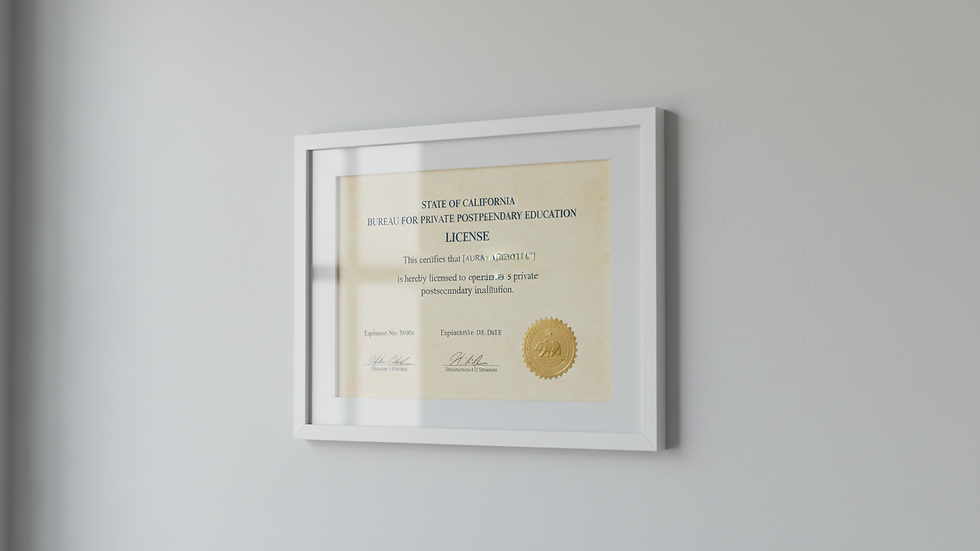
If you’re new to this, you might ask, “What does BPPE stand for?” BPPE is the Bureau for Private Postsecondary Education. It’s a California state agency responsible for regulating private postsecondary educational institutions.
The BPPE’s mission is to protect students and ensure quality education by enforcing standards related to:
Institutional licensing
Financial stability
Educational quality
Student rights and disclosures
Understanding the role of BPPE helps clarify why compliance is essential. It’s not just about paperwork; it’s about meeting standards designed to safeguard everyone involved in private education.
Practical Tips for Tracking BPPE Compliance Effectively
Now that we know why tracking BPPE compliance matters, how can you do it efficiently? Here are some actionable recommendations:
Subscribe to Official Updates: Regularly check the BPPE website and subscribe to newsletters or alerts. This ensures you receive timely information.
Designate a Compliance Officer: Assign a team member to monitor updates and communicate changes internally.
Use Compliance Management Tools: Consider software that tracks regulatory changes and helps manage documentation.
Train Your Staff: Keep your team informed about compliance requirements through regular training sessions.
Review Policies Periodically: Schedule quarterly or biannual reviews of your policies and procedures to align with the latest standards.
Engage with Industry Groups: Join forums or associations related to private education to share insights and best practices.
By implementing these steps, you create a culture of compliance that benefits your institution and your students.
Staying Informed with Reliable Resources
Keeping up with BPPE compliance updates can feel overwhelming, but you don’t have to do it alone. There are plenty of resources designed to help you stay informed and prepared.
For example, the official BPPE website is the primary source for all regulatory changes. Additionally, many educational consultants and legal advisors specialize in BPPE compliance and can offer guidance tailored to your needs.
If you want to explore more, I recommend checking out all posts related to bppe compliance for comprehensive insights and updates. These resources provide practical advice and real-world examples that can make compliance easier to manage.
Why You Should Make BPPE Compliance a Priority Today
In the fast-changing landscape of private education, waiting to address compliance can cost you dearly. By tracking BPPE compliance updates now, you’re investing in your institution’s future.
Think about it this way: compliance is not just a box to check. It’s a commitment to quality, transparency, and student success. When you prioritize it, you create a stable foundation that supports growth and innovation.
So, what’s your next step? Start by reviewing your current compliance status, set up a system to track updates, and engage your team in this ongoing process. You’ll find that staying ahead of BPPE requirements becomes a natural part of your operations.
Tracking BPPE compliance is a smart, proactive choice that protects your institution and empowers your students. With clear strategies and reliable resources, you can navigate the complexities of regulation with confidence and ease. Remember, compliance is not just about rules - it’s about building a trustworthy and successful educational environment.


Comments